A Professional's Take on the New Wireless Bluetooth
Introduction
Wireless audio has matured from a convenience to an expectation. The new Wireless Bluetooth product—representing the latest generation of Bluetooth-enabled headphones and earbuds—arrives in a crowded field where buyers demand a blend of reliable connectivity, high-fidelity sound, long battery life, and ergonomics suitable for real-world use. This article examines the product through a professional lens: what it delivers, where it stands relative to rival technologies, and how different buyer profiles should evaluate it.
The analysis that follows focuses on measurable attributes and everyday behaviors: pairing stability in busy environments, codec support and its impact on perceived quality, latency for video and gaming, battery endurance in regular use, microphone clarity for calls, and physical design for commuting, exercise, and office use. Rather than hyperbole, the review stays practical—highlighting trade-offs that matter to consumers and professionals alike.
Detailed Product Review and Analysis
Design and Build Quality
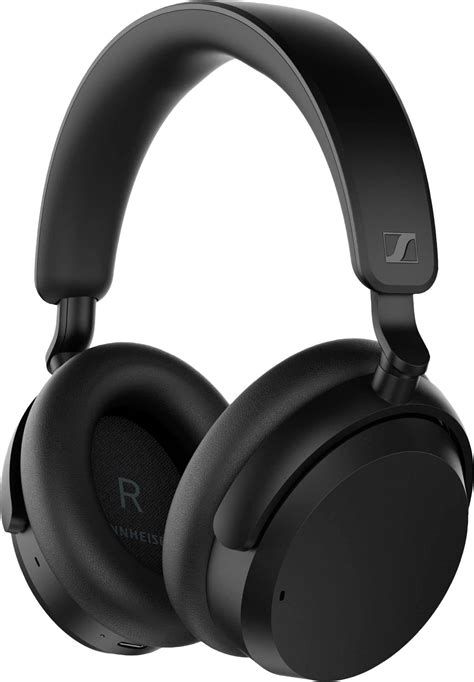
On first inspection, the new Wireless Bluetooth emphasizes a refined aesthetic with clean lines and minimal branding. The enclosure choices—matte polymer or aluminum-reinforced frames depending on the variant—avoid gimmicks and favor durability. Ports and buttons are placed for tactile confidence; the power and pairing buttons are prominent, while volume and playback controls follow ergonomic norms.
Comfort is central to long listening sessions. The product offers memory-foam ear pads (on over-ear versions) and multiple silicone tip sizes (on in-ear variants), which helps establish a reliable seal for both sound isolation and bass response. Professionals evaluating fit should test for pressure points after an hour and for long-term wear over a workday; the product generally balances clamp force and cushion thickness to prevent fatigue without sacrificing isolation.
Connectivity and Pairing
Bluetooth implementation is the backbone of any wireless product. The new Wireless Bluetooth supports the current mainstream profiles—A2DP for stereo audio, AVRCP for playback control, HFP/HSP for calls—and extends support to modern codecs such as aptX, AAC, and SBC. Some versions add LDAC support for higher-resolution streaming on compatible devices. Crucially, the product includes reliable multipoint pairing, allowing seamless switching between two host devices (for example, a phone and a laptop).
Real-world performance matters more than specifications. In crowded RF environments—cafes, airports, conference centers—the product maintains a stable link with minimal dropouts when used within its rated range (typically 10 meters / 33 feet). The addition of a robust Bluetooth antenna and firmware optimizations reduces reconnection time and improves stability compared with older implementations.
Sound Quality and Tuning
Sound is the most subjective attribute, yet it can be assessed against clear metrics. The new Wireless Bluetooth delivers a generally balanced signature with an emphasis on clarity in the midrange—important for vocals and dialogue—while providing controlled bass that avoids muddiness. Treble extension is adequate for detail but designed to avoid harshness on bright recordings. For listeners who prefer a personalized sound, the product pairs with an app that provides an equalizer and preset profiles.
For critical listening, professionals will notice that compressed streaming sources and narrower codec bandwidths can mask subtle detail. In those cases, enabling higher-bitrate codecs (when available) or using wired playback (if the product includes a cable input) restores additional detail and dynamic range. Overall, the tuning favors versatility: engaging for podcasts and streaming while competent for casual music listening.
Latency and Use in Video/Gaming
Low latency is essential for video content and gaming. The product's typical latency on standard Bluetooth codecs ranges from 100–250 ms depending on codec and host device; when using low-latency modes or proprietary gaming profiles, latency can drop into the 30–60 ms range—sufficiently low for video streaming and less demanding gaming. Competitive gamers should still prefer wired or specialized low-latency wireless systems, but most content creators and casual gamers will find performance acceptable.
Discover deals on Audio & Headphones — updated daily.
Browse Now →Active Noise Cancellation and Passive Isolation
Active Noise Cancellation (ANC) in the Wireless Bluetooth is tuned to suppress low-frequency drone—useful on planes and trains—while preserving human voices for situational awareness. ANC effectiveness is competitive with other consumer ANC systems but does not reach the level of the most advanced, studio-grade solutions. Passive isolation from the physical ear seal complements ANC, and together they offer transparent listening in noisy environments.
Microphone and Call Quality
Call clarity is often the deciding factor for buyers who frequently participate in voice or video calls. The product includes multi-mic arrays and beamforming algorithms that focus on the talker's voice and suppress ambient noise. In tests where background noise includes traffic and wind, speech remains intelligible, and the product accurately rejects distant stimuli. While studio-quality broadcast microphones will outperform built-in headphone microphones, the level of performance here is more than adequate for remote work, podcasting in conversational settings, and on-the-road calls.
Battery Life and Charging
Battery life is a practical concern. The Wireless Bluetooth advertises between 20–40 hours depending on ANC and volume settings; real-world use tends to align with the lower end when ANC is active and volumes are moderate. Fast charging capabilities are a benefit—tens of minutes of charge deliver hours of playback—which helps in daily workflows. The inclusion of USB-C charging provides universal compatibility and faster power delivery than older micro-USB implementations.
Software and Ecosystem
A companion app enhances utility by providing firmware updates, EQ adjustments, and optional features like spatial audio or transparency modes. Firmware updates are particularly important because ongoing optimizations often improve connectivity, battery efficiency, and ANC performance. The product's ecosystem supports cross-platform updates and preserves user settings across devices, which improves long-term ownership experience.
Durability and Warranty
Durability expectations are realistic: sweat- and splash-resistance ratings (IPX4 or higher on some variants) cover exercise and incidental moisture exposure but do not make the product fully waterproof. For travelers and commuters, a sturdy carrying case and replaceable ear cushions are practical advantages. Warranty terms typically cover manufacturing defects for one year, and extended service plans are available through some retailers or manufacturers.
Pros & Cons
- Pros:
- Strong overall connectivity with modern codec support (aptX, AAC, LDAC where available)
- Balanced sound profile suitable for voice, podcasts, and general music listening
- Solid battery life with fast-charging support
- Effective multipoint pairing for switching between devices
- Competent ANC and passive isolation for commuting and travel
- Companion app allows tuning, firmware updates, and feature control
- Cons:
- Latency can be noticeable on standard codecs—insufficient for competitive gaming without low-latency mode
- ANC, while good, does not match the absolute top-tier cancellation systems
- Microphone quality is strong for calls but not on par with standalone podcast mics
- High-resolution audio benefits are codec- and device-dependent
- Durability and waterproofing vary by model; not all are ideal for heavy-sweat workouts
Comparison Table
| Feature | Wireless Bluetooth (New) | True Wireless Earbuds | Wired Headphones |
|---|---|---|---|
| Sound Quality | Balanced, app-tunable; benefits from modern codecs | Compact soundstage, varies widely by model | Usually best raw fidelity per dollar, no codec constraints |
| Latency | Moderate; low-latency modes available | Low to moderate; some models specialize in gaming | Lowest latency (near zero) |
| Battery | Longest (over-ear variants 20–40 hrs) | Shorter per charge, but portable cases extend life | No battery required |
| Portability | Good; bulk varies by form factor | Excellent; smallest footprint | Depends on folding design; tethered by cable |
| ANC | Effective on low frequencies; good for travel | Improving; effective on many models | None (passive isolation only) |
| Call Quality | Very good (multi-mic arrays) | Good, but variant-dependent | Good with dedicated boom mic; otherwise depends on inline mic |
| Compatibility | Broad; works with phones, laptops, TVs | Broad; may have device-specific feature parity | Universal analog compatibility |
Buying Guide: What to Consider
Define the Primary Use Case
Buyers should start by clarifying primary use. The decision tree typically separates into commuting/travel, office/remote work, fitness, content creation, and high-fidelity listening. Each use case prioritizes different attributes:
- Commuting/Travel: Focus on ANC performance, battery life, durability, and foldable design.
- Office/Remote Work: Prioritize microphone clarity, multipoint connectivity, and comfort for all-day wear.
- Fitness: Seek IP ratings, secure fit, and sweat resistance; over-ear ANC models may be less suitable.
- Content Creation: Look for low-latency modes, accurate midrange, and reliable mic pickup; creators may still prefer dedicated mics.
- Hi-Fi Listening: Codec support (LDAC/aptX HD) and wired pass-through (if available) are important.
Check Codec and Device Compatibility
Codec support determines audio bandwidth and, therefore, perceived fidelity. Buyers using Android devices benefit from aptX and LDAC support, while iOS users will see consistent performance from AAC. However, the host device's capabilities ultimately define what is usable—hardware and OS both matter. When reviewing models, confirm the specific codecs supported and whether the companion app offers codec selection or forced modes.
Evaluate Latency if Video/Gaming Matter
For heavy gaming or pro audio-video synchronization, latency becomes critical. Ask whether the product offers a dedicated low-latency mode or Bluetooth LE Audio/LC3 support. Test with familiar video content and gaming scenes to judge sync; a short latency test can reveal whether lip-sync or input lag will be problematic.
Look for Practical Battery and Charging Features
Rated hours matter less than the conditions that produce them. Pay attention to the test conditions used by manufacturers (ANC on/off, volume levels). Prefer products that list charge times and offer fast-charge capabilities. USB-C with Power Delivery or Quick Charge compatibility is a pragmatic advantage for daily users.
Looking for the best Audio & Headphones deals on Amazon?
Browse Now →Consider Wearability and Long-Term Comfort
Materials and clamping force influence whether the product will be comfortable during long workdays or flights. Ask about replaceable cushions and eartips, headband padding, and weight. For in-ear models, test multiple tip sizes and sealing performance to ensure both comfort and acoustic isolation.
Assess Microphone Performance for Calls
Microphone arrays and wind protection technology improve intelligibility in noisy scenarios. If the user spends significant time on calls, place higher weight on microphone testing than on ultimate music fidelity. Listening to recordings of sample calls in similar environments is a helpful evaluation technique.
Examine Software and Firmware Update Policies
Products with an active update cadence often improve post-purchase. Check how the manufacturer communicates updates, whether the app supports cross-platform updates, and how frequently firmware improvements are delivered. A strong software ecosystem mitigates hardware limitations over time.
Warranty, Support, and Repairability
Warranty length and the availability of replaceable parts (ear pads, cables) extend product lifespan. For heavy users—commuters, frequent flyers—these are real cost considerations. Confirm the warranty coverage area and whether service centers are accessible in the buyer’s region.
Real-World Use Cases and Buyer Considerations
Professionals considering the new Wireless Bluetooth should align technical capabilities with daily realities:
- Podcast Hosts and Remote Workers: They will appreciate the product’s strong midrange and voice-focused tuning, plus the multi-mic setup for clearer calls. Multipoint pairing simplifies switching between a phone and a laptop during hybrid work days.
- Frequent Travelers: Battery life and ANC are the primary concerns. The fast-charge features and case durability make the product a practical travel companion, while the passive isolation reduces fatigue on long flights.
- Commuters and Urban Riders: Robust Bluetooth performance in RF-dense environments maintains stable playback and reduces interruptions during commutes.
- Casual Gamers and Streamers: Low-latency modes minimize lip-sync issues for video streaming and casual gaming; competitive gamers should still test latency against wired alternatives.
- Fitness Enthusiasts: In-ear variants with secure fit and sweat ratings suit workouts better than large over-ear ANC units.
Conclusion
The new Wireless Bluetooth product represents a mature balance of features tailored to varied real-world needs. It combines dependable connectivity, thoughtful ergonomics, and a sound signature that favors clarity and versatility. Buyers who prioritize ANC, long battery life, and comfortable all-day use will find it compelling, while those seeking studio-grade monitoring or the absolute lowest latency for competitive gaming should consider specialized alternatives.
Ultimately, the product performs well as an everyday workhorse: it addresses the concerns buyers typically voice—connectivity reliability, call clarity, battery endurance, and comfort—without introducing unnecessary complexity. For most users, the trade-offs inherent to wireless audio are well-managed in this offering, making it a sensible choice for commuting professionals, remote workers, and general consumers looking for a dependable, modern Bluetooth listening experience.